

The Liars of the False Accused
There are many kinds of liars in the world, but only a few types matter here. Only the ones who put an innocent man or woman behind bars. Only the ones who rip a child from their mother's arms and hand them to strangers.
These are not white lies. These are not exaggerations at a dinner party. These are lies with body counts. Lies that steal decades. Lies that orphan children. Lies that leave a man rotting in a concrete box while the real criminal walks free.
False accusations follow patterns. The jealous ex. The coached child. The corrupt official who needs a conviction to pad his stats. The social worker who sees a broken home where there was a loving one. Each one follows a script as old as the hills.
We have catalogued the recurring types. Not to entertain. To arm you. When you recognize the pattern, you can name it. When you can name it, you can fight it.
These are the faces of the liars who destroy the innocent. Study them. You will see them again.

1. The Spurned Wife or Girlfriend
He left her. Or she left him and regrets it. Or he caught her cheating. The breakup is fresh, and the anger is hot. She walks into the police station and says he hit her, choked her, threatened her. No marks. No witnesses. No history. But she says it with tears, and that is enough.
The police arrest him that night. The DA files charges. The restraining order is automatic. She gets the house, the kids, the support payments. He gets a criminal record and a court date that will take years and thousands of dollars to survive.

2. The Custody Liar
She wants full custody. She wants child support. She wants him out of the picture entirely. So she says the words that guarantee victory: "He molested our children."
The court does not investigate. The court does not ask for proof. The accusation alone is enough to suspend all visitation. The father is now a registered sex offender before a single fact is checked. The children are coached in interviews until they repeat what they were told to say.

20. The Coached Child
A mother, a therapist, or a social worker puts words in the child's mouth. They ask leading questions. They reward certain answers. They punish others. Eventually the child says what they want to hear.
The child repeats it in court. The child does not understand what they are doing. They are a weapon, not a witness. The adult who wielded them walks away clean.

3. The Stepmother
The stepchild caught her cheating. Or he is a reminder of the wife she replaced. Or he simply exists in a house she wants to control. She calls CPS and says the child is "acting out sexually" or "showing signs of abuse."
CPS arrives. The child is removed from both parents. The stepmother is believed because she is the one who reported. The father is now fighting to get his own child back from a system that views him as a suspect.

4. The Public Defender
He knows his client is innocent. The evidence is thin. The accuser is lying. But the caseload is crushing, and the DA is offering a deal. Time served. Probation. A lesser charge. Just say the words.
He tells the innocent man that "juries are unpredictable" and "this is the best option." He never mentions that a guilty plea means no appeal. He never mentions that his promotion depends on moving cases. He collects his paycheck while the innocent man collects a record.

5. The False Witness
He is sitting in a holding cell facing his own charges. The DA comes to him with a deal. "You testify against this man, and your charges disappear." He does not know the man. He does not know if he is guilty. But he knows he wants out.
He takes the deal. He rehearses the story the DA gives him. He says it on the stand with conviction. The innocent man is convicted. The false witness walks free. He carries the weight of it for the rest of his life.

6. The District Attorney
He knows the case is weak. He knows the accuser is lying. He knows the evidence was mishandled or fabricated. But he files charges anyway. Convictions mean reelection. Revenue means funding. A "tough on crime" record means a promotion.
He hides exculpatory evidence. He lets false testimony stand. He never tells the jury that the witness was given a deal. He calls it "prosecutorial discretion." The innocent man calls it a life sentence.

7. The CPS Worker
She walks into a home for thirty minutes. The house is messy. The kids are shy. The parents are nervous. She writes it all down as "neglect" or "environmental risk." She never asks the neighbors. She never calls the school. She never checks the medical records.
She files her report. The court removes the children. The parents spend months or years fighting to get them back. The CPS worker moves on to the next home. She never sees the damage she left behind.

8. The Judge Who Knows
She knows the defendant is innocent. The evidence was presented. The CPS report says the allegations are unfounded. The victim said nothing happened. But she rules against him anyway. She calls it "judicial discretion."
She is a former associate of the accuser. She is in charge. Outsmart her and the punishment is worse. She makes people think she loves children. She knowingly signs the order that sends an innocent man to prison or a child to strangers. She hides behind the robe.
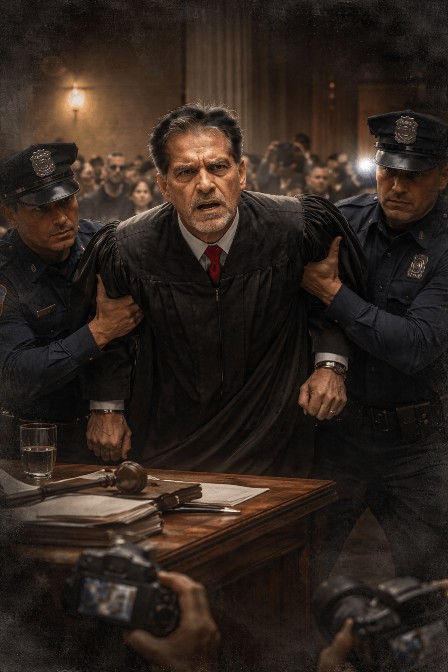
9. The Judge Who Doesn't Read
He never reads the file. He never looks at the evidence. He asks the attorneys what they recommend, and he signs it. Removal of children. Guilty pleas. Sentencing. He is a rubber stamp in a robe.
His courtroom moves fast. He clears dockets. He is popular with the DA and the social workers. He is a disaster for the innocent. They stand before him hoping for justice, and he gives them whatever the system has already decided.

10. The Judge Who Protects Her Friends
The DA is her lunch partner. The CPS director is her husband's friend. The public defender used to work for her. She runs a courthouse where everyone knows everyone, and the outsider is always the defendant.
She suppresses evidence that would help the defense. She limits cross-examination. She keeps claiming evidence is growing and revokes bail. Knowing the evidence grew while it was in police custody. She breaks the Oath to the Constitution. When the conviction comes, she congratulates the attorneys.

11. The Probation Officer
The parolee is staying out of trouble. He has a job. He is seeing his kids. He is doing everything right. But the probation officer needs to close his file. Or he has a quota. Or the parolee simply annoyed him.
He writes a violation report. A missed appointment. A failed drug test that was never actually administered. A "suspicious association." The parolee is arrested. His probation is revoked. He goes back to prison. The officer's caseload is lighter.

12. The Reporter
She gets a press release from the DA's office. "Man Arrested for Horrific Crime." She runs it as front page news. She never calls the defense attorney. She never checks the court file. She never asks if the accuser has a history of lying.
The story goes viral. The man is tried in the court of public opinion before he ever sees a real courtroom. When the charges are dropped or the verdict is acquittal, the retraction is a paragraph on page 17. The damage is done. The reputation is destroyed.

13. The Paid Attorney
The family scrapes together thousands of dollars to hire him. They believe he will fight for their son, their husband, their father. He takes the money. He promises to do everything. He does nothing.
He files boilerplate motions. He never investigates. He never calls the witnesses the family gives him. He tells them to "be patient." When the conviction comes, he blames the judge, the jury, the system. He keeps the money. The innocent man keeps the sentence.

14. The Mandatory Reporter
A child says something vague. A teacher overhears a rumor. A therapist sees a drawing that could be interpreted as abuse. The mandatory reporter picks up the phone. She has no evidence. She has no training in forensic interviewing. But she has a legal obligation, and she uses it as a shield.
The child is interviewed by strangers. The parents are investigated. The family is pulled apart. The report is never substantiated. But the damage is done. The mandatory reporter never faces consequences for being wrong.

15. The Foster Parent Who Wants the Check
The children are removed from their parents. They are placed in foster care. The foster parents receive a monthly payment for each child. The more children, the more money. The longer they stay, the longer the check comes.
When the parents fight to get their children back, the foster parents resist. They write reports about how "bonded" the children are. They say the parents are "unstable." They lobby for termination of parental rights. The system listens to them.

16. The Police Detective
He decides the suspect is guilty within hours. Then he finds the evidence to match his conclusion. He ignores leads that point elsewhere. He steers witnesses. He writes reports that tell the story he wants told.
The case goes to the DA already decided. The presumption of innocence is dead before the first court date. The detective never pays for his tunnel vision.

17. The Jailhouse Informant
He is a convicted liar, a career criminal, a man who would sell his own mother for a reduced sentence. The DA puts him in a cell with the defendant. He comes out with a story. "He told me everything."
No recording. No witness. No corroboration. But the informant testifies, and the jury believes him. He walks free. The innocent man stays locked up.

18. The Expert Witness for Hire
He is paid to say whatever the side that hired him needs. His opinion changes with the check. He has never met the defendant. He reviewed only the documents they gave him. He testifies with a confidence that impresses juries.
The science is often junk. The methodology is questionable. But he has a degree and a title, and that is enough to convict.

19. The Guardian ad Litem
She gets paid per case. She recommends what the court wants to hear. She never visits the home. She never talks to the parents. She meets the child once for fifteen minutes and writes a report that destroys a family.
The court follows her recommendation. She moves on to the next case. She never sees the consequences.

22. The Prison Guard
An innocent man is already in prison. The guard writes him up for a violation. Fighting. Possession of a weapon. Disrespect. The write-up means more time added, solitary confinement, lost privileges.
The guard is never questioned. His word is law inside the walls. The prisoner has no recourse.

"The Lord is a refuge for the oppressed, a stronghold in times of trouble."
— Psalm 9:9